


 Washington DC
- 교육
Washington DC
- 교육


Transmissible Spongiform Encephalopathy: Decline of Human and Animal Health


Lauren Sun 라모나 코브넌트 스쿨 11학년
Unlike normal proteins, abnormal prions influence healthy and harmless proteins to misfold as well, triggering a chain reaction that leads to widespread neurological damage. As a result, individuals with TSEs experience cognitive decline, personality changes, psychiatric issues, lack of coordination, and unsteady walking. Additional symptoms include unintentional jerking movements, unusual sensory experiences, insomnia, seizures, and vision problems.
As the disease advances into its terminal stage, patients suffer extreme mental decline and gradually lose the ability to move or speak, eventually leading to a painful death within a few months or years.




Although TSEs cannot be spread through casual contact, they are particularly concerning due to their various transmission routes and the challenges involved in preventing an outbreak. As demonstrated during the bovine spongiform encephalopathy(BSE), or mad cow disease, epidemic in the United Kingdom, humans can contract prions through the consumption of contaminated meat products, resulting in variants of Creutzfeldt-Jakob disease(CJD).
Additionally, a rare instance of prion transmission can occur through contact with contaminated surgical instruments, tissue transplants, or blood products. Unlike viruses or bacteria, prions contain no DNA or RNA, which makes them highly resistant to standard sterilization techniques and allows them to survive procedures that would typically impair other pathogens. This resilience, combined with their ability to evade the immune system and spread silently within the victim‘s nervous system for months or years before symptoms appear, contributes to the difficulty of protecting at-risk populations.
Diagnosis of TSEs is particularly challenging because definitive confirmation often requires examination of brain tissue, which is typically performed post-mortem. Imaging techniques, such as MRI, and tests to detect abnormal prion proteins in cerebrospinal fluid-which is the clear liquid that surrounds and protects the brain and spinal cord, acting as a cushion, shock absorber, and transport system for nutrients and waste-are utilized by doctors to aid in diagnosis, but they cannot prevent disease progression. Some TSEs are inherited due to mutations in a gene called PRNP, which provides instructions for making normal prion proteins, causing these proteins to misfold and initiate the disease. Sporadic cases, on the other hand, arise without a known cause.
Currently, no effective treatments exist to stop or reverse neurodegeneration, and medical care is limited to managing symptoms and providing supportive relief. Because TSEs are fatal, difficult to detect, and currently incurable, ongoing research, public health measures, and monitoring of both humans and animals are essential to prevent future outbreaks and protect the well-being of society.
<Lauren Sun 라모나 코브넌트 스쿨 11학년>
로컬뉴스
more- 1
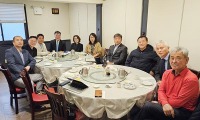
통일부 국립평화통일민주교육원 뉴욕협의회 종무식
통일부 국립평화통일민주교육원 뉴욕협의회(회장 이영태)는 지난 17일 퀸즈 삼원각 중식당에서 종무식을 갖고 지난 2년간 실시한 24기 평화통일교…

뉴욕한국국악원, 제12회 국제문화축제서 공연
뉴욕한국국악원(원장 강유선)은 지난 26일 센트럴 아스토리아 지역개발공사가 주최한 제12회 국제문화축제에 참가해 공연을 펼쳤다. 이날 국악원…
뉴욕광염교회 더나눔하우스에 후원금
뉴욕광염교회(담임목사 구자범)는 지난 26일 더나눔하우스(대표 박성원 목사)에 후원금 1,000달러를 기탁했다. 이날 교회는 더나눔하우스 거주…
동문 음악가들 ‘우정 · 화합의 하모니’
연세대학교 뉴욕동문회(회장 황진호)가 지난 23일 맨하탄 카네기홀에서 개최한 ‘연세 동문 음악회’가 성대하게 열렸다. ‘드림 인 블루’(Dre…
글로벌어린이재단뉴저지지부‘2026 회원의 날’행사
글로벌어린이재단뉴저지지부(회장 이필레)는 지난 24일 뉴저지 포트리 더블트리 호텔에서 100여명이 참석한 가운데 ‘2026 회원의 날’ 행사를…
한국일보 안내광고
- 렌트/리스/하숙
- 구인구직
- 중고차
- 전문업체
- 엘리컷시티 롯데 5분 아래층
- 웃브릿지싱글홈 1층같은 지하
- 스프링필드 조용한 싱글홈
- 싱글홈 투베드룸 아파트 스타일
- 애난데일 갤로스로드근처싱글홈
- 센터빌 타운홈 렌트 $3,000
- 센터빌 싱글홈 지하전체. 워크
- 로턴싱글홈 지하전체 워크아웃
- 엘리컷시티 싱글홈 욕실,세탁실


- 1
 “인생 2막 시작” 신지♥문원, 논란 딛고 …
 - 2
 66세 유튜버, 제2의 전성기..이미숙, 이…
 - 3
 카타르 선물 트럼프 전용기, 초호화 기내 인…
 - 4
 ‘K팝 新역사’ 트와이스, 도쿄국립경기장 3…
 - 5
 현대차·기아, 4월 美판매 감소…하이브리드차…
 - 6
 BTS 뷔, 플로리다 선셋과 아이스크림 먹방…
 - 7
 ‘AI 에이전트용’ 각광받는 애플 맥미니…사…
 - 8
 軍자산 투입 난제에 美 제안까지…한국 정부,…
 - 9
 트럼프 “이란서 일찍 철수했다 3년뒤 문제되…
 - 10
 “스스로 다잡겠다”.. ‘병역비리’ 라비, …
- 11
 아! 이정후 ‘9회 대박 결승타’ 치고도 대…
 - 12
 지구관측 위성 차세대중형위성 2호, 내일 오…
 - 13
 각국 중앙은행 올해도 ‘골드러시’…중동 위기…
 - 14
 S&P500 애플 호실적에 연일최고치…나스닥…
 - 15
 ‘국힘 경기지사 후보’ 양향자, 秋 겨냥해 …
 - 16
 박주미, ‘신세계’ 정용진 아내와 나란히 투…
 - 17
 손흥민 또 빠진다, 감독도 예고한 로테이션.…
 - 18
 美국방부, 앤트로픽 뺀 주요 AI 업체들과 …
 - 19
 美석유메이저 중동생산 타격에 실적급감…증산엔…
 - 20
 정규직_비정규직 임금격차 확대월 300만원 …
- 21
 머스크, 지난해 테슬라서 1천584억 달러 …
 - 22이민 신청자 ‘FBI 신원조회’ 전면 강화
- 23
 촉법소년 연령 하향 없던 일 되나… 협의체 …
 - 24
 종합특검 “헌법존중 TF 자료 제출 거부”⋯…
 - 25
 국가배상금, 돈 없어 못 줘⋯과거사 피해 등…
 - 26
 대법 “정기상여금은 통상임금” 시내버스 기사…
 - 27
 “이란 전쟁 발발 후 선박 200여척 호르무…
 - 28
 또 묻지마 폭행에 60대한인 참극 … 한인타…
 - 29
 李대통령 지지율, 64%로 전주대비 3%p↓
 - 30
 차세대 한인들, 한국어로 꿈*정체성 말하다












오피니언


 김미선 서북미문인협회 회장시인
 [한국춘추] 울음은 도시의 가장 오래된 언어
- 이희숙 아동문학가
[금요단상] K-Pop 소녀의 사랑 이야기
- 최윤필 / 한국일보 기자
[기억할 오늘] 히틀러의 유해를 둘러싼 스탈린의 정치
-
[지평선] 하이닉스에는 있지만, 삼전에는 없는 것
- 허경옥 수필가
[윌셔에서] 도리스 레싱의 ‘19호실로 가다’를 읽고
- 한영일 서울경제 논설위원
[만화경] 철퇴 맞은 반도체 스파이
1/3
지사별 뉴스

연방국토안보부 ‘두달반 셧다운’ 종료
연방국토안보부의 셧다운(일부 기능정지)이 76일 만에 종료됐다.백악관은 30일 도널드 트럼프 대통령이 연방하원을 통과해 넘어온 국토안보부 임시…
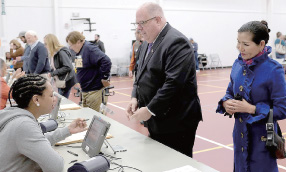
이민 신청자 ‘FBI 신원조회’ 전면 강화

“북핵·인권, 분리 아닌 통합 다뤄야”
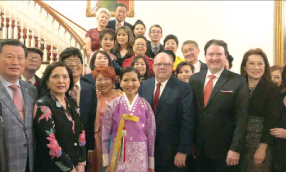
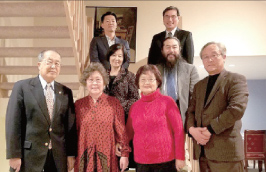
‘원코리아 정책 포럼’(Capitol Policy Forum)이 지난 29일 워싱턴 DC 연방 하원 캐넌 빌딩에서 열렸다.이날 행사는 ‘제23…
‘패스포트 DC, 한국문화 체험의 날’

트럼프 “이란의 새 제안 만족스럽지 않아…지도부 엄청난 분열”
도널드 트럼프 대통령은 1일 이란 측이 중재국 파키스탄을 통해 전달해온 새로운 협상안에 대해 “그들은 합의를 원하지만, 나는 그것이 만족스럽지…
이민자 권익 보호와 안정적 노후 준비 위한 전문가 초청 이민자 지원 교육 세미나

















 | ||
|



- 로그인
- 회원가입
Koreatimes.com 서비스는 Ktown1st.com과 통합계정입니다. 계정이 없으신 분은 회원가입을 해 주세요.
.png)



댓글 안에 당신의 성숙함도 담아 주세요.
'오늘의 한마디'는 기사에 대하여 자신의 생각을 말하고 남의 생각을 들으며 서로 다양한 의견을 나누는 공간입니다. 그러나 간혹 불건전한 내용을 올리시는 분들이 계셔서 건전한 인터넷문화 정착을 위해 아래와 같은 운영원칙을 적용합니다.
자체 모니터링을 통해 아래에 해당하는 내용이 포함된 댓글이 발견되면 예고없이 삭제 조치를 하겠습니다.
불건전한 댓글을 올리거나, 이름에 비속어 및 상대방의 불쾌감을 주는 단어를 사용, 유명인 또는 특정 일반인을 사칭하는 경우 이용에 대한 차단 제재를 받을 수 있습니다. 차단될 경우, 일주일간 댓글을 달수 없게 됩니다.
명예훼손, 개인정보 유출, 욕설 등 법률에 위반되는 댓글은 관계 법령에 의거 민형사상 처벌을 받을 수 있으니 이용에 주의를 부탁드립니다.
Close
x