


 Washington DC
- 교육
Washington DC
- 교육


Youth Voice Matters: Clean Water and Sanitation


Kayla Roh 학생기자 페어몬트 아카데미 11학년
I was privileged to be present at the United Nations High-Level Political Forum (HLPF) in 2025, where I had the opportunity to engage with inspiring youth leaders from around the world. Sharing what I learned from their experiences deepened my understanding of the urgent need for action in the water and sanitation sector.
In Kenya, a youth representative at the recent UN Conference on Water and Sanitation highlighted the urgent need for improved sanitation facilities in schools. She noted that when students have access to clean water, their academic performance and attendance improve significantly. By advocating for better infrastructure, these young leaders are contributing to a healthier and more educated generation.




In Ethiopia, a young advocate shared how her organization has established clean water sources near schools. This initiative is vital for breaking the cycle of poverty and gender inequality, as it allows girls to focus on their studies instead of spending hours collecting water. By alleviating this burden, the program empowers girls to pursue their education fully, fostering future leaders.
Another noteworthy example comes from Bangladesh, where youth activists have implemented solar-powered water purification systems in rural communities. This project provides safe drinking water while raising awareness about hygiene and sanitation, significantly reducing health risks. The innovative use of renewable energy illustrates how young minds can tackle both water and environmental challenges.
At the same conference, youth representatives from India presented a community rainwater harvesting initiative aimed at addressing water scarcity in urban areas. By engaging local youth in sustainable practices, they are not only providing solutions to water shortages but also instilling a sense of responsibility toward environmental stewardship.
In South Africa, a coalition of youth-led organizations has been advocating for comprehensive sanitation policies in schools. Their campaigns have resulted in increased government funding for infrastructure improvements, showcasing the impact of youth advocacy on national policy. They emphasized that clean sanitation facilities are essential for maintaining health and dignity, particularly in marginalized communities.
These stories highlight the unique perspectives that youth bring to the challenges surrounding water and sanitation. We are aware of the issues affecting our communities and possess the creativity to propose innovative solutions. By raising our voices and advocating for sustainable water management, we can drive meaningful change.
Now is the moment for action. Each of us has the power to ensure clean water is accessible to everyone. Together, we can advocate for policies that guarantee clean water and sanitation for all. The youth voice is not just a part of the conversation; it is vital for the future of our planet. As we harness this momentum from the conference, let us inspire more young people to join us in this essential fight for equitable access to clean water and sanitation. (Part 7 of 20)
<Kayla Roh 학생기자 페어몬트 아카데미 11학년>
로컬뉴스
more- 1
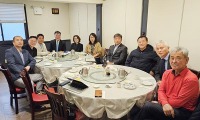
통일부 국립평화통일민주교육원 뉴욕협의회 종무식
통일부 국립평화통일민주교육원 뉴욕협의회(회장 이영태)는 지난 17일 퀸즈 삼원각 중식당에서 종무식을 갖고 지난 2년간 실시한 24기 평화통일교…

뉴욕한국국악원, 제12회 국제문화축제서 공연
뉴욕한국국악원(원장 강유선)은 지난 26일 센트럴 아스토리아 지역개발공사가 주최한 제12회 국제문화축제에 참가해 공연을 펼쳤다. 이날 국악원…
뉴욕광염교회 더나눔하우스에 후원금
뉴욕광염교회(담임목사 구자범)는 지난 26일 더나눔하우스(대표 박성원 목사)에 후원금 1,000달러를 기탁했다. 이날 교회는 더나눔하우스 거주…
동문 음악가들 ‘우정 · 화합의 하모니’
연세대학교 뉴욕동문회(회장 황진호)가 지난 23일 맨하탄 카네기홀에서 개최한 ‘연세 동문 음악회’가 성대하게 열렸다. ‘드림 인 블루’(Dre…
글로벌어린이재단뉴저지지부‘2026 회원의 날’행사
글로벌어린이재단뉴저지지부(회장 이필레)는 지난 24일 뉴저지 포트리 더블트리 호텔에서 100여명이 참석한 가운데 ‘2026 회원의 날’ 행사를…
한국일보 안내광고
- 렌트/리스/하숙
- 구인구직
- 중고차
- 전문업체
- 루트100 4번 엑싯 싱글홈
- 엘리컷씨티 롯데 10분 거리
- 스프링필드 싱글홈 2층 방 렌트
- 센터빌콘도 방2 화2 새페인트
- 엘리컷시티롯데5분 아래층 방1
- 웃브릿지 싱글홈 1층같은 지하
- 애난데일 H마트 근처
- 엘크리지 타운하우스 방 임대
- 애난데일 싱글홈 방1 화1


- 1
 66세 유튜버, 제2의 전성기..이미숙, 이…
 - 2
 ‘국힘 경기지사 후보’ 양향자, 秋 겨냥해 …
 - 3
 LA 해변 이틀간 출입 막혔다…몸길이 3m …
 - 4
 트럼프 “이란서 일찍 철수했다 3년뒤 문제되…
 - 5
 軍자산 투입 난제에 美 제안까지…韓 정부, …
 - 6
 S&P500 애플 호실적에 연일최고치…나스닥…
 - 7
 머스크, 지난해 테슬라서 1천584억 달러 …
 - 8
 사우디 국부펀드, LIV 골프 지원 중단 공…
 - 9
 현대차·기아, 4월 美판매 감소…하이브리드차…
 - 10
 카타르 선물 트럼프 전용기, 초호화 기내 인…
- 11
 美국방장관, 주독미군 약 5천명 철수 명령……
 - 12
 아! 이정후 ‘9회 대박 결승타’ 치고도 대…
 - 13
 BTS 뷔, 플로리다 선셋과 아이스크림 먹방…
 - 14
 지구관측 위성 차세대중형위성 2호, 내일 오…
 - 15
 ‘K팝 新역사’ 트와이스, 도쿄국립경기장 3…
 - 16
 美국방부, 앤트로픽 뺀 주요 AI 업체들과 …
 - 17‘불’과 ‘얼음’, 그리고 빛의 커튼 ‘오로라’
- 18
 “스스로 다잡겠다”.. ‘병역비리’ 라비, …
 - 19
 “비트 한 잔의 힘”… 심장 건강 지키는 ‘…
 - 20
 “美 저비용 스피릿항공 구제금융 협상 실패……
- 21
 각국 중앙은행 올해도 ‘골드러시’…중동 위기…
 - 22증오의 정치가 부른 폭력의 악순환
- 23
 軍자산 투입 난제에 美 제안까지…한국 정부,…
 - 24
 美석유메이저 중동생산 타격에 실적급감…증산엔…
 - 25
 손흥민 또 빠진다, 감독도 예고한 로테이션.…
 - 26
 [주말 뭐 볼까 OTT] 길리어드의 어둠 속…
 - 27
 전청조, 교도소서도 사기? “女재소자 구애,…
 - 28
 선제골·결승골 모두 손흥민 발끝서… LAFC…
 - 29
 한인은행, 개선된 실적에 현금배당 상향
 - 30[전익환 프로의 골프교실] 슬라이스










오피니언


 김미선 서북미문인협회 회장시인
 [한국춘추] 울음은 도시의 가장 오래된 언어
- 이희숙 아동문학가
[금요단상] K-Pop 소녀의 사랑 이야기
- 최윤필 / 한국일보 기자
[기억할 오늘] 히틀러의 유해를 둘러싼 스탈린의 정치
-
[지평선] 하이닉스에는 있지만, 삼전에는 없는 것
- 허경옥 수필가
[윌셔에서] 도리스 레싱의 ‘19호실로 가다’를 읽고
- 한영일 서울경제 논설위원
[만화경] 철퇴 맞은 반도체 스파이
1/3
지사별 뉴스

연방국토안보부 ‘두달반 셧다운’ 종료
연방국토안보부의 셧다운(일부 기능정지)이 76일 만에 종료됐다.백악관은 30일 도널드 트럼프 대통령이 연방하원을 통과해 넘어온 국토안보부 임시…
이민 신청자 ‘FBI 신원조회’ 전면 강화

“북핵·인권, 분리 아닌 통합 다뤄야”
‘원코리아 정책 포럼’(Capitol Policy Forum)이 지난 29일 워싱턴 DC 연방 하원 캐넌 빌딩에서 열렸다.이날 행사는 ‘제23…
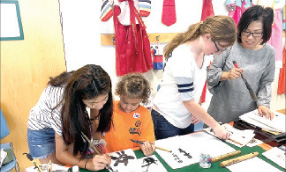
‘패스포트 DC, 한국문화 체험의 날’

트럼프 “이란의 새 제안 만족스럽지 않아…지도부 엄청난 분열”
도널드 트럼프 대통령은 1일 이란 측이 중재국 파키스탄을 통해 전달해온 새로운 협상안에 대해 “그들은 합의를 원하지만, 나는 그것이 만족스럽지…
이민자 권익 보호와 안정적 노후 준비 위한 전문가 초청 이민자 지원 교육 세미나

















 | ||
|



- 로그인
- 회원가입
Koreatimes.com 서비스는 Ktown1st.com과 통합계정입니다. 계정이 없으신 분은 회원가입을 해 주세요.
.png)



댓글 안에 당신의 성숙함도 담아 주세요.
'오늘의 한마디'는 기사에 대하여 자신의 생각을 말하고 남의 생각을 들으며 서로 다양한 의견을 나누는 공간입니다. 그러나 간혹 불건전한 내용을 올리시는 분들이 계셔서 건전한 인터넷문화 정착을 위해 아래와 같은 운영원칙을 적용합니다.
자체 모니터링을 통해 아래에 해당하는 내용이 포함된 댓글이 발견되면 예고없이 삭제 조치를 하겠습니다.
불건전한 댓글을 올리거나, 이름에 비속어 및 상대방의 불쾌감을 주는 단어를 사용, 유명인 또는 특정 일반인을 사칭하는 경우 이용에 대한 차단 제재를 받을 수 있습니다. 차단될 경우, 일주일간 댓글을 달수 없게 됩니다.
명예훼손, 개인정보 유출, 욕설 등 법률에 위반되는 댓글은 관계 법령에 의거 민형사상 처벌을 받을 수 있으니 이용에 주의를 부탁드립니다.
Close
x