


 Washington DC
- 교육
Washington DC
- 교육


Quantum Computing: Beneficial or an Existential Crisis?


Aiden Choi 학생기자 서니힐스 고교 11학년
Any company that builds the first successful quantum computer will be cemented in history as singlehandedly creating the most powerful machine in all of human history. Although the logistics of quantum computing remain somewhat theoretical, substantial steps have been taken in transforming the idea of a quantum computer into a real engineered masterpiece. IBM leads the charge, as Jay Gambetta, Director and IBM Fellow of Before considering the concerns quantum computing poses for global security, it is important to first understand how it works. In a nutshell, rather than operating in bits-a series of 1s and 0s that lay the foundation of traditional computers-quantum computing works with qubits, where instead of being a 1 or 0, they can simultaneously be both via superposition. The upside of working with qubits is that algorithms and processes that would normally take a significant amount of time for traditional computers-such as decrypting global encryption keys-could be done in a matter of moments. Quantum computing can solve complex problems and algorithms exponentially faster than traditional computers. The reason this poses such an issue in global security is that it allows for our encryption to be decoded strikingly fast. The way our information, including government data, travels across the world through the internet is by being encrypted. Of course, this is oversimplified, but to get the gist, everything sent across the internet is encrypted.
However, what quantum computing allows is for this encryption-which was previously not under serious threat because traditional computers are too slow-to be decrypted due to the exponential power of quantum computing. However, it is not all bleak. At present, we have the advantage that quantum computing is still in development and not yet fully realized. The United States government has already enacted measures to protect individual security in anticipation of quantum computing capabilities. For example, in 2025, the Quantum Encryption Readiness and Resilience Act was introduced to help maintain cybersecurity and mitigate quantum computing threats.
Quantum computing is making leaps and bounds in its advancements every year, and these developments show no signs of slowing down. It will mark a new age in global security, internet infrastructure, and data encryption, making it important to recognize the impact it may have on our world. Now, is it all bad? Heavens no. The introduction of quantum computing will benefit the optimization of AI systems, accelerate drug discovery, serve as a resource for groundbreaking medical research, and much more. However, it is crucial to understand the risks of such a powerful tool, as its influence draws closer day by day.
<Aiden Choi 학생기자 서니힐스 고교 11학년>
로컬뉴스
more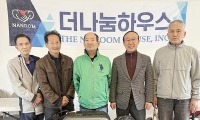
더나눔하우스, 셸터 거주자 한국 귀국 도와
더나눔하우스(대표 박성원 목사)는 지난 29일 셸터 거주자인 황명학(사진 가운데)씨에게 영구 한국 귀국을 돕기 위해 항공권을 제공했다. 더나눔…

김민선 관장, 천안상공회의소에 카운티장 감사패 전달
김민선 미주한인이민사박물관장은 12일 충남 천안시를 방문하여 천안상공회의소 문상인 회장과 이사들에게 낫소카운티의 브르스 블래이크맨 카운티장의 …
사진작가 박준 ‘미주 한인여성 사업가의 초상’ 전
사진작가 박준의 전시회 ‘미주 한인 여성 사업가의 초상’이 오는 30~31일 맨하탄 코스모스 갤러리에서 열린다. 이번 전시는 박씨가 지난 2년…
사진작가 제이 안 뉴욕초대전 오프닝 리셉션
사진작가 제이 안의 뉴욕초대전 ‘City Spectrum-Old & New’ 오프닝 리셉션이 12일 맨하탄 소재 뉴욕한인회관 6층 ‘KAAGN…
“6.25참전유공자회 내분조장 법적 책임 묻겠다”
대한민국6.25참전유공자회 뉴욕지회(이하 뉴욕지회)의 내홍이 장기화되는 가운데, 지회 측이 내분을 조장하는 일부 한인 단체들을 상대로 법적 책…
한국일보 안내광고
- 렌트/리스/하숙
- 구인구직
- 중고차
- 전문업체
- 엘리컷시티 롯데 5분 아래층
- 웃브릿지싱글홈 1층같은 지하
- 스프링필드 조용한 싱글홈
- 싱글홈 투베드룸 아파트 스타일
- 애난데일 갤로스로드근처싱글홈
- 센터빌 타운홈 렌트 $3,000
- 센터빌 싱글홈 지하전체. 워크
- 로턴싱글홈 지하전체 워크아웃
- 엘리컷시티 싱글홈 욕실,세탁실


- 1
 합법적 영주권자도 대규모 재심사 착수
 - 2
 텍사스 오스틴 공포의 주말…시내 곳곳 돌며 …
 - 3“마이크론, 주가 싸도 저평가 우량주 안심해선 안 돼”
- 4
 ‘트럼프 걸림돌’ 하원의원 낙선 광고에만 3…
 - 5
 김보미, 응급실 行 반복하다 결국 긴급 수술…
 - 6
 MC몽, 차 회장 관련 연예인 실명 폭로 예…
 - 7
 4년만 홈커밍 데이..방탄소년단, 부산서 데…
 - 8
 YG 측 “빅뱅 팬클럽 V.I.P 6기 모집…
 - 9
 ITIN(납세자 번호) 이원화로 ‘불체자 식…
 - 10
 “외식·여행 포기… 연료비로만 수백억달러 더…
- 11
 Quantum Computing: Benef…
 - 12
 “베세라 상승세”… 가주지사 결선행 부상
 - 13美정계 떠난 ‘한국사위’ 호건, 초당파 리더십 연구소 설립
- 14AI 반감 끓는 美…에릭 슈밋 인공지능 옹호 연설에 ‘야유 세례’
- 15
 ‘못 받을거야’ 섣부른 짐작 금물… 대학 재…
 - 16
 H마트ㆍ샘표 협업… K-푸드 요리교실 실시
 - 17
 샌안토니오, PO 서부 결승 진출… 오클라호…
 - 18투키디데스 함정과 수정주의세력 함정
- 19
 자바시장서 짝퉁 명품 대량 유통… 1천만불 …
 - 20[만화경] 유럽의 세입자 오디션
- 21
 4월 소비자물가, 3년만에 최대 상승
 - 22테슬라 사고내역 공개…로봇택시만 17건 포함
- 23흔들리는 꽃잎이 되어
- 24모건스탠리, 뉴욕증시 올해 목표치 상향
- 25
 여름방학 안에 도전할 만한 고등학생 실전 활…
 - 26
 아이비리그 밖으로 번진 ‘초저합격률’ 경쟁 …
 - 27사법당국, 예측시장 거래 수사 확대
- 28
 The Overlooked Half of H…
 - 29한국 ‘에르노 플레이스’ 분양 세미나
- 30메모리얼데이 연휴 앞두고 여행비용 ‘쇼크’













오피니언
 옥세철 논설위원
투키디데스 함정과 수정주의세력 함정
 전지은 수필가
 흔들리는 꽃잎이 되어
 최형욱 / 서울경제 논설위원
[만화경] 유럽의 세입자 오디션

음주운전, 더 이상은 안된다
-
투표는 권리이자 한인사회의 힘
- 김정곤 서울경제 논설위원
[만화경] K증시의 꿈 ‘한국판 골드만삭스’
- 정재왈 서울시립교향악단 대표
[로터리] 대타 연주자가 홈런을 치는 순간
- 이영태 한국일보 논설위원
[지평선] ‘스페이스K’ 탄생의 꿈
- 이리나 수필가
[윌셔에서] 망치 소리에 깨어난 인생 2막
1/3
지사별 뉴스

미·중 정상회담… ‘황제의 제단’ 앞에 선 트럼프와 시진핑
도널드 트럼프 대통령과 시진핑 중국 국가주석이 14일(현지시간) 베이징 인민대회당에서 미·중 정상회담을 가진 후 텐탄(천단) 공원으로 자리를 …
불체자 식별 위해 ‘ITIN(납세자 번호) 발급’ 개편 추진

“보험청구 마구잡이 삭감 안돼”
버지니아 주하원 아이린 신(Irene Shin) 의원이 발의한 ‘AI 부당 다운코딩 방지법’(HB 484)을 비롯해 일련의 건강보험 개혁법안들…
덜레스 공항 220억 달러 재건축

한미정상, 미중회담·한반도평화 논의…팩트시트 충실이행 공감
이재명 대통령이 17일(이하 한국시간) 오후 관저에서 도널드 트럼프 대통령과 통화를 하고 최근 진행된 미중 정상회담 결과를 포함해 국제정세 및…
글로벌 어린이재단 SF지부, 어린이 돕기 골프대회


















 | ||
|



- 로그인
- 회원가입
Koreatimes.com 서비스는 Ktown1st.com과 통합계정입니다. 계정이 없으신 분은 회원가입을 해 주세요.
.png)



댓글 안에 당신의 성숙함도 담아 주세요.
'오늘의 한마디'는 기사에 대하여 자신의 생각을 말하고 남의 생각을 들으며 서로 다양한 의견을 나누는 공간입니다. 그러나 간혹 불건전한 내용을 올리시는 분들이 계셔서 건전한 인터넷문화 정착을 위해 아래와 같은 운영원칙을 적용합니다.
자체 모니터링을 통해 아래에 해당하는 내용이 포함된 댓글이 발견되면 예고없이 삭제 조치를 하겠습니다.
불건전한 댓글을 올리거나, 이름에 비속어 및 상대방의 불쾌감을 주는 단어를 사용, 유명인 또는 특정 일반인을 사칭하는 경우 이용에 대한 차단 제재를 받을 수 있습니다. 차단될 경우, 일주일간 댓글을 달수 없게 됩니다.
명예훼손, 개인정보 유출, 욕설 등 법률에 위반되는 댓글은 관계 법령에 의거 민형사상 처벌을 받을 수 있으니 이용에 주의를 부탁드립니다.
Close
x